

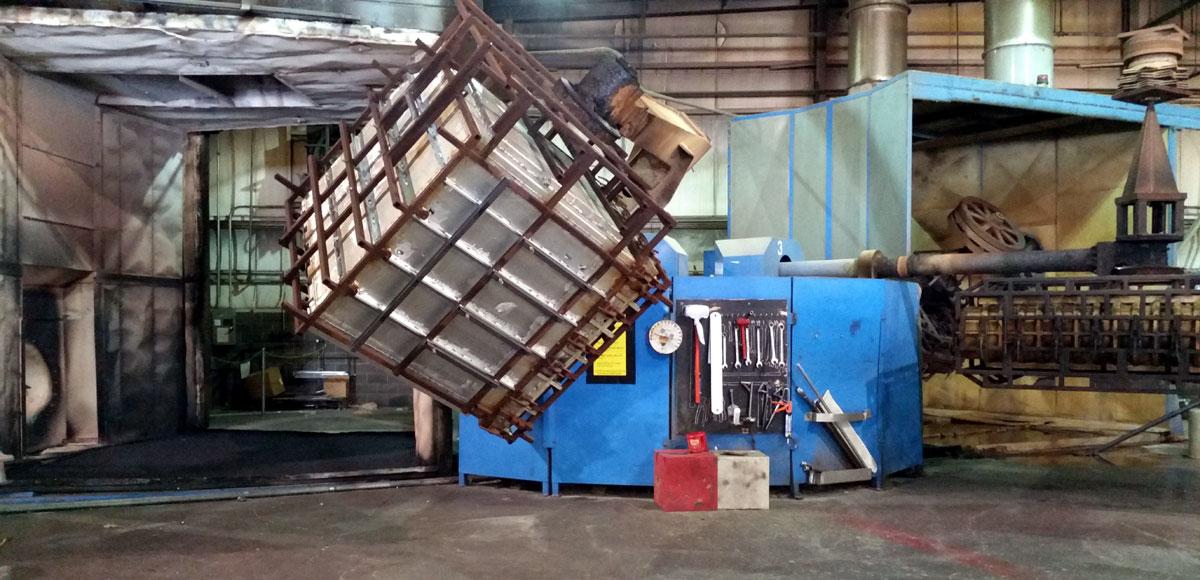
Rotational molding, commonly known as rotomolding, is just a functional Rotomolding method that offers numerous benefits for production a wide variety of empty plastic products. This method involves heating a worthless form filled with powdered resin, turning it on two axes, and letting the material to coat the inside consistently before cooling. It is popular across different industries including automotive, agriculture, furniture, and customer goods. Below are the primary advantages of using Rotomolding in manufacturing.
Cost-Effective Tooling and Production
Among the significant advantages of rotomolding is its reduced tooling charge compared to different plastic molding techniques like treatment or strike molding. Shapes for rotomolding are typically made from aluminum, that will be more affordable and quicker to fabricate. This makes it a cost-efficient decision for brief to moderate creation runs or prototyping.
Uniform Wall Depth and Structural Strength
Rotomolding makes for uniform wall width throughout the product. Because the resin adheres evenly to the mold's interior throughout the turning method, the last solution is free from weak areas and inconsistencies. That uniformity increases the longevity and architectural strength of that, making it ideal for high-stress applications.
Design Mobility and Complicated Styles
This method helps a higher level of design flexibility. It enables manufacturers to produce complicated forms and contours with no limits faced in different molding techniques. Functions like undercuts, molded-in inserts, dual surfaces, and different floor textures can be integrated directly into the mold, reducing the requirement for secondary processes.
Smooth, One-Piece Construction
Rotomolding creates items within a, smooth piece. Unlike processes that involve joining multiple parts, rotomolding eliminates seams and weld lines, which are typical details of failure. This is specially good for tanks, bins, and outside furniture that require water or substance resistance.
Substance Effectiveness and Minimal Waste
The procedure is extremely material-efficient with small waste. Empty product may often be recycled or recycled in potential production runs. This not merely decreases product fees but additionally helps sustainable manufacturing practices.
Broad Range of Purposes
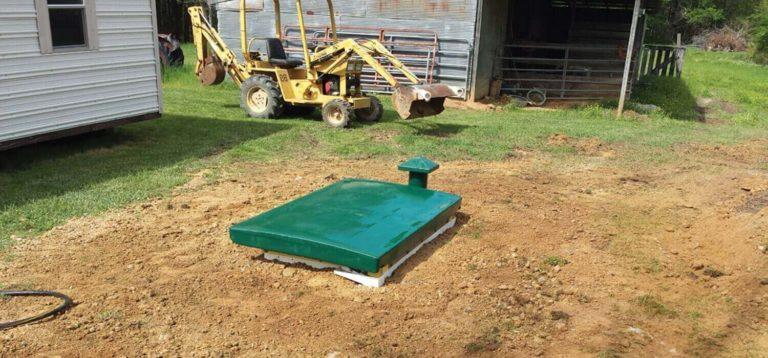
Rotomolding is suited to a variety of plastic resins, including polyethylene, polypropylene, and nylon. It could make any such thing from little toys and pots to big commercial tanks and automotive components. That large applicability causes it to be a chosen technique for diverse manufacturing needs.
Improved Item Performance
Products and services created using rotomolding tend to have remarkable influence opposition and longevity due to the slow chilling method, which decreases inner stress. That makes them ideal for outdoor use and programs exposed to hard environments.
To conclude, rotomolding is a highly useful manufacturing approach that offers cost-efficiency, style flexibility, and exemplary item quality, rendering it an ideal selection for several industrial and commercial applications.